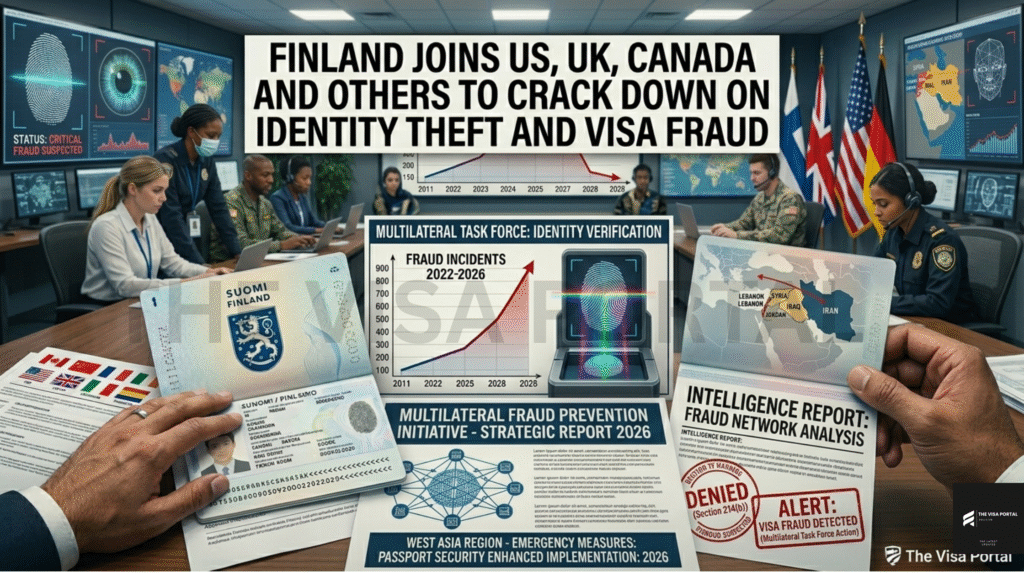
According to reports, as part of the international trend to prevent identity theft and unauthorized travel activities, Finland has formed a partnership with several nations.
These include the United States, the UK, Germany, Canada, and France, as well as relatively developed countries such as the Netherlands and Estonia. In addition, major Southern Hemisphere players like Argentina, Mexico, and Brazil are participating. These nations now use strengthened identity verification systems and tightened visa issuance processes. The move reflects a wider global shift toward securing borders through centralized and digitized identity management systems.
RISING CONCERNS OVER IDENTITY FRAUD AND VISA MISUSE

For many years, governments in Europe and the Americas have faced significant challenges related to identity theft, fraud, passport forgery, drug-related issues, and the misuse of travel visas. In response, many countries have increased their focus on verifying identities before allowing individuals to enter or travel within their borders, aiming to reduce the risk of unauthorized individuals using synthetic identities to commit entry or travel violations.
Finland is joining this broader initiative, signaling its commitment to updating border security standards in line with international norms. Authorities are concentrating on addressing vulnerabilities in travel systems while striving to facilitate hassle-free processing for genuine travelers.
HOW COUNTRIES ARE RESPONDING TO IDENTITY FRAUD AND VISA MISUSE
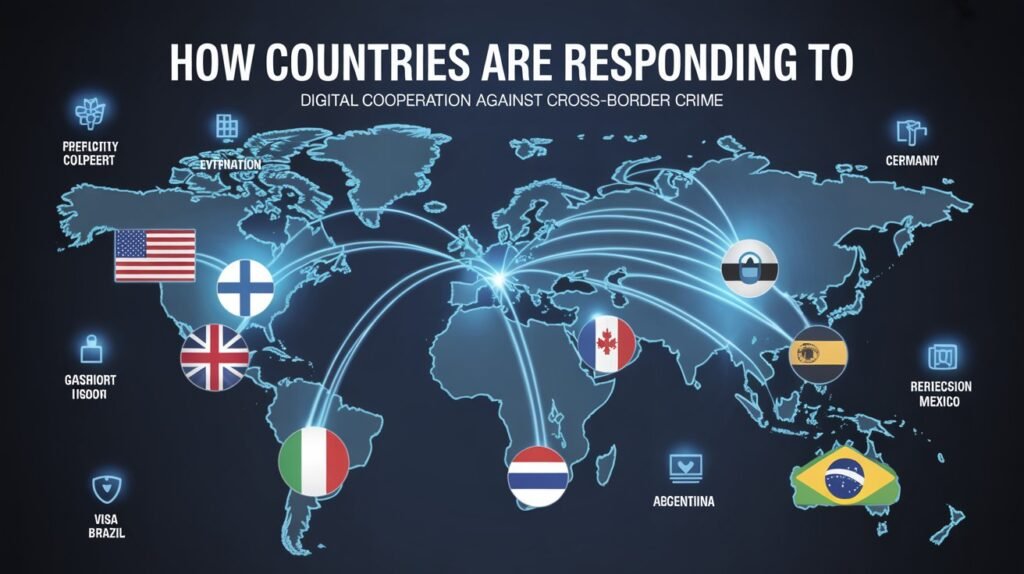
Governments around the world are introducing stricter passport controls, centralized identity systems, and stronger verification measures to combat rising fraud risks and unauthorized visa use. Many countries are also investing in biometric technology and digital identity tools to improve security while making travel document processing faster and more consistent.
FINLAND LAUNCHES CENTRAL PASSPORT REFORM FOR FASTER AND SAFER SERVICES
Finland is taking steps to make reforms permanent by granting the Finnish Foreign Ministry control over passport and identity decisions. However, local offices will still handle the processing of applications and the collection of biometrics.
The goal of these changes is to alleviate the stress caused by high demand and stringent constitutional requirements. In addition to enhancing national security, this reform aims to improve Finland’s public service delivery system. It might also enable Finland to create a more secure identity wallet in the future by reducing the number of documents needed for identification.
Benefits:
- Faster approvals and fewer delays
- Stronger legal compliance and security control
- Reduced workload at embassies
- Supports future EU digital identity systems
GERMANY STRENGTHENS SECURITY WITH CENTRAL PASSPORT OVERSIGHT
Germany is giving more power to the central government over passports and IDs to deal with cyber risks, identity theft, and the rise in international travel.
Embassies will be where people go to apply, and domestic systems will handle approvals. This method makes things safer and helps the EU’s identity balance grow.
Benefits:
- Improved fraud prevention
- Consistent decision-making worldwide
- Fewer inconsistencies at the embassy level
- Support for alignment with EU identity policies
SPAIN BUILDS A UNIFIED AND FASTER PASSPORT NETWORK
Spain is working to upgrade its passport and identification systems by centralizing approvals and processing applications from abroad at its embassies and consulates. It supports Spain’s alignment with broader European digital identity goals, which focus on enhancing security, improving user experience, and ensuring interoperability with digital identity systems of other EU member states. Consequently, overseas tourists and citizens in Spain can expect faster, more streamlined, and more reliable passport services.
Benefits:
- Reduced duplication
- Faster services abroad
- Stronger EU alignment
- Improved cross-border verification
CANADA UPGRADES PASSPORT PROCESSING FOR CITIZENS ABROAD
Canada continues strengthening its centralised passport system to manage growing global demand. Applications are collected abroad, while approvals are handled by federal authorities, ensuring coordination and consistency.
Benefits:
- Improved efficiency
- Better support for citizens overseas
- Scalable identity system
- Uniform processing standards
MEXICO IMPROVES PASSPORT SERVICES WITH CENTRAL AUTHORITY
Mexico is streamlining passport issuance by centralising authority within its Foreign Ministry while using consulates as service access points.
This helps improve coordination, speed up processing, and better serve millions of citizens living abroad.
Benefits:
- Faster and coordinated processing
- Better service for overseas citizens
- Lower administrative complexity
- Improved identity management
UNITED STATES KEEPS STRONG CENTRAL CONTROL OVER PASSPORT ISSUANCE
This system processes millions of passport requests quickly, significantly reduces the risk of fraud, and maintains consistency worldwide.
- Strong national security oversight
- Uniform processing worldwide
- Efficient handling of large volumes
- Reduced risks of fraud and misuse
NETHERLANDS MOVES TOWARD A SMART DIGITAL IDENTITY MODEL
- Lower burden on missions abroad
- Consistent approvals
- Supports digital transition
- Encourages global adoption
BRAZIL ENHANCES GLOBAL PASSPORT SERVICES THROUGH CENTRALISATION
Brazil manages passport issuance centrally through federal authorities while embassies provide citizen access abroad.
This ensures more reliable processing and stronger security for its large international population.
Benefits:
- Strong oversight and security
- Efficient diaspora services
- Faster processing times
- Consistent decisions globally
UNITED KINGDOM EXPANDS CENTRALISED PASSPORT MANAGEMENT WORLDWIDE
- Central control over identity decisions
- Faster and more efficient approvals
- Stronger fraud prevention
- Ready for future digital ID integration
FRANCE USES CENTRAL CONTROL TO BALANCE SPEED AND SECURITY
- Faster approvals
- Strong national oversight
- Efficient high-volume handling
- Strong balance of speed and security
ESTONIA LEADS WITH WORLD-CLASS DIGITAL IDENTITY SYSTEMS
Estonia remains a global leader with a fully centralised digital identity system integrated into public services.
Its secure framework reduces dependence on physical documents and enables seamless global access.
Benefits:
- Advanced digital identity system
- High cybersecurity standards
- Minimal physical paperwork
- Global benchmark for innovation
ARGENTINA BUILDS A SAFER AND MODERN IDENTITY NETWORK
- Stronger data control
- Better fraud prevention
- Consistent decisions
- Supports modernisation goals
For more information: Click here
FINAL THOUGHTS
Finland and the United States show how centralised passport systems can improve both security and public service delivery. Finland is building a modern digital-first model, while the United States continues to rely on a proven large-scale central authority structure.
Together, they reflect a growing global trend where governments tighten identity verification, reduce fraud risks, and modernise passport systems to meet the needs of an increasingly mobile world.